Vitran Vx10 Gold Detector for Professional Treasure Hunt Kit
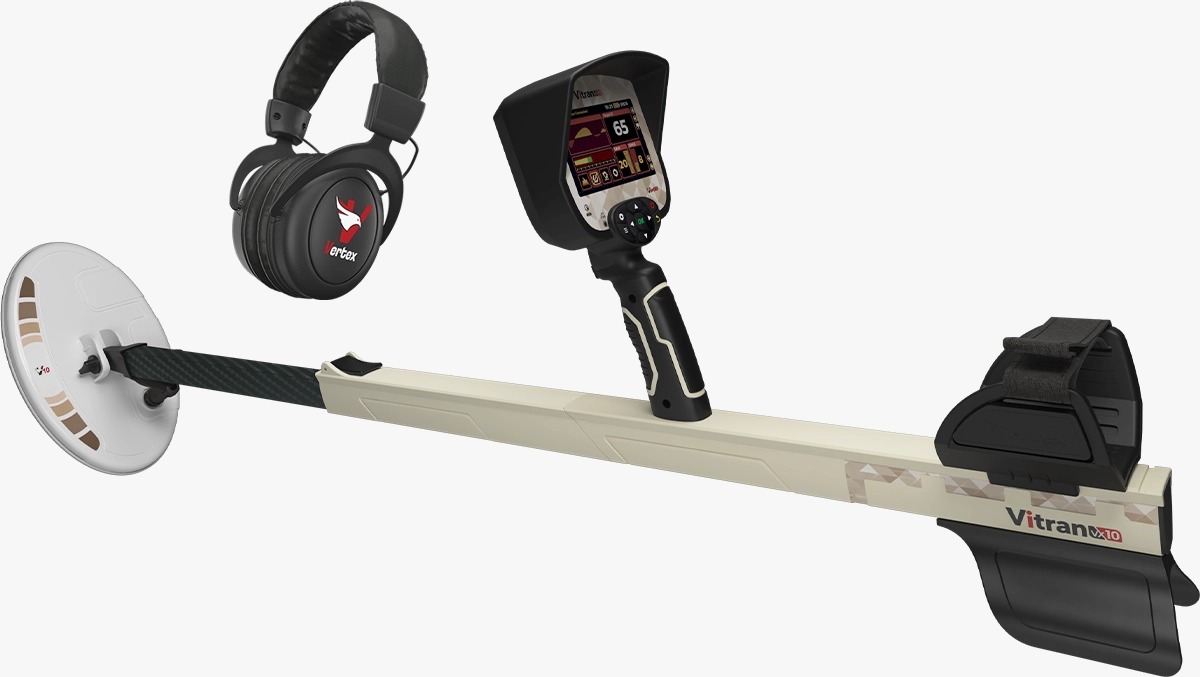
The Vitran VX10 is an advanced metal detector developed for professional gold and treasure hunting in difficult environments. It is designed to locate underground metallic objects with improved precision, making it suitable for users who search for gold nuggets, buried coins, and ancient relics. Its smart detection system helps users receive more accurate signals while reducing unnecessary interference from surrounding minerals and rocks.
Modern treasure hunters often work in deserts, mountainous regions, and highly mineralized soils where ordinary detectors fail to perform properly. This detector uses intelligent signal processing to analyze underground responses and distinguish between different metal types. As a result, users can save time during exploration and focus on areas that have a stronger chance of containing valuable targets.
How Metal Detection Systems Work
Metal detectors operate by sending electromagnetic signals into the ground and receiving responses from buried metallic objects. When the transmitted signals encounter metal beneath the surface, the detector produces an audio or visual indication that alerts the user. Advanced devices are able to analyze the returned signals more effectively and provide a better understanding of the buried target.
The technology used in high quality detectors is especially important when searching in mineralized soils. Rocky terrain and desert sand often create false readings that confuse standard devices. Intelligent signal processing helps reduce this problem by filtering ground noise and improving the identification of genuine targets. This creates a smoother experience for professional explorers and hobbyists alike.
Key Features That Improve Detection Accuracy
One of the strongest advantages of the Vitran VX10 is its ability to detect various underground metals with high sensitivity. The detector is capable of identifying objects buried at different depths while maintaining stable performance in harsh environments. This allows treasure hunters to explore locations that may contain gold nuggets, relics, and historical coins without losing signal clarity.
Another important feature is the smart analysis system that helps differentiate between valuable metals and unwanted objects. Accurate metal identification reduces wasted digging time and improves field efficiency. Professional users prefer systems that provide reliable readings because exploration in remote areas often requires significant effort, travel, and planning.
Performance in Deserts and Rocky Terrain
Desert exploration presents unique challenges because of high temperatures, dry soil conditions, and natural mineral concentrations. Many ordinary detectors become unstable in such environments, but advanced systems are built to maintain steady operation. Strong sensitivity and signal stability make professional detectors more effective during long exploration sessions in desert regions.
Rocky terrain also creates difficulties due to uneven surfaces and underground mineral interference. A reliable detector must process signals carefully while maintaining accurate target identification. This capability becomes extremely important when searching in mountainous regions where valuable metals are often hidden beneath layers of rock and mineralized ground.
Why Treasure Hunters Prefer Advanced Detectors
Professional treasure hunters require equipment that combines accuracy, durability, and ease of use. Modern metal detectors are expected to perform consistently in different soil conditions while helping users identify targets quickly. Advanced technology reduces the chances of false signals and improves the overall exploration experience.
Users also appreciate detectors that are designed for long field operations. Comfortable handling, efficient battery performance, and dependable signal response are essential during extended treasure hunting trips. Experienced explorers understand that reliable equipment can significantly increase the chances of discovering valuable underground targets.
Smart Signal Processing and Metal Identification
Signal processing technology has transformed the metal detection industry by improving the way underground targets are analyzed. Instead of simply detecting the presence of metal, advanced systems attempt to identify the type of metal based on signal behavior. This helps users decide whether a target is worth digging before spending time and energy.
For those interested in learning more about the Vitran VX10, understanding its smart processing capability is essential. The detector is designed to improve target recognition while minimizing interference caused by difficult ground conditions. Such technology is especially valuable in areas where natural minerals often create confusing readings.
Practical Tips for Better Treasure Hunting Results
Successful treasure hunting depends on both equipment quality and user technique. Beginners should spend time learning how to interpret detector signals before exploring difficult terrain. Understanding audio tones and signal variations can help identify promising targets more accurately and reduce unnecessary digging.
Environmental awareness is equally important during exploration activities. Users should research the history of a location before beginning a search because older trade routes and abandoned settlements often contain hidden artifacts. Carrying sufficient water, protective gear, and navigation tools is also recommended when exploring deserts or isolated regions.
Legal and Regional Considerations
Metal detecting laws vary widely between countries and regions. Some locations allow treasure hunting freely, while others require permits or restrict excavation near archaeological sites. Users should always research local regulations before beginning any exploration activity to avoid legal complications and protect historical heritage.
In many regions, authorities enforce strict rules regarding the discovery of historical artifacts and cultural objects. Responsible treasure hunters understand the importance of preserving archaeological value and reporting significant discoveries when required. Ethical exploration not only protects history but also helps maintain a positive reputation for the metal detecting community.
Importance of Soil and Ground Conditions
Ground conditions play a major role in the success of metal detection activities. Highly mineralized soils can interfere with electromagnetic signals and create false readings that confuse inexperienced users. Advanced detectors are designed to handle these conditions more effectively by stabilizing signal interpretation and reducing environmental interference.
Moisture levels in the soil can also influence detection performance. Wet soil may improve conductivity in certain situations, allowing signals to penetrate more effectively. However, excessive moisture and dense mineral deposits may require careful adjustment of detector settings to maintain stable operation during exploration.
Benefits for Professional Exploration
Professional exploration teams often rely on advanced detectors during geological surveys and treasure hunting projects. High sensitivity and accurate signal analysis improve operational efficiency and help reduce unnecessary excavation efforts. Reliable equipment is especially valuable when working in remote areas where time and resources are limited.
Advanced detection systems also support better decision making during exploration missions. When users receive clearer information about underground targets, they can prioritize locations with higher potential value. This strategic advantage helps professionals conduct more organized and productive searches in challenging environments.
Choosing the Right Detection Strategy
A successful treasure hunting strategy begins with proper planning and area selection. Explorers often study maps, historical records, and geological data before entering a search zone. Understanding the terrain and possible mineral concentrations can improve the likelihood of locating valuable targets.
Detector settings should also be adjusted according to environmental conditions. Sensitivity levels that work well in sandy deserts may not perform effectively in rocky mountains or mineral rich soils. Experienced users test their equipment carefully and adapt their approach based on the surrounding environment.
Future of Metal Detection Technology
The future of metal detection technology continues to evolve with advancements in artificial intelligence and digital signal analysis. Manufacturers are focusing on improving target recognition systems that provide faster and more accurate results. These innovations are expected to make treasure hunting more efficient for both professionals and enthusiasts.
Improved portability and battery efficiency are also shaping the next generation of detection equipment. Lightweight designs combined with intelligent processing systems allow users to conduct longer exploration sessions with greater comfort. As technology progresses, metal detectors are becoming more precise and adaptable to challenging environments.
Conclusion
The Vitran VX10 represents a modern approach to gold and treasure hunting by combining advanced signal processing with reliable underground detection capabilities. Its ability to identify metals accurately in deserts, rocky terrains, and mineralized soils makes it a valuable tool for serious explorers seeking dependable performance in demanding conditions.
Treasure hunting requires patience, research, and proper equipment to achieve successful results. By understanding ground conditions, following legal regulations, and using advanced technology effectively, users can improve their exploration experience significantly. Whether searching for gold nuggets, coins, or hidden relics, professional detection systems continue to play an essential role in modern exploration activities.


Post Comment